What Happens When You Die Without a Will
Tony Hsieh, the visionary founder of Zappos, was known for creativity, generosity, and unconventional thinking. But when he died without a will or trust, his estate became a cautionary tale of what happens when legacy planning is left undone. In this episode of Plan for This, Marguerite and Ron explore how even extraordinary success cannot protect a family from probate court when legal documents are missing.
Tony’s parents were left navigating years of court proceedings, public filings, disputed assets, and unanswered questions about ownership and intent. From handwritten notes to real estate purchased for friends, the absence of formal planning created confusion that no amount of goodwill could resolve.
This case study highlights why estate planning matters for everyone, especially entrepreneurs, creators, and individuals with digital assets and intellectual property.
Why Your Estate Plan is Your First Line of Defense
It might seem counterintuitive to call a lawyer after a physical injury, but as Marguerite emphasizes, “your life has changed; your body has changed in a significant way.”
A major health shift is a signal that your current documents may no longer reflect your needs for care, authority, or financial management. Your estate plan isn’t just about what happens later—it’s about how you are cared for now.
What Happens When You Die Without a Will
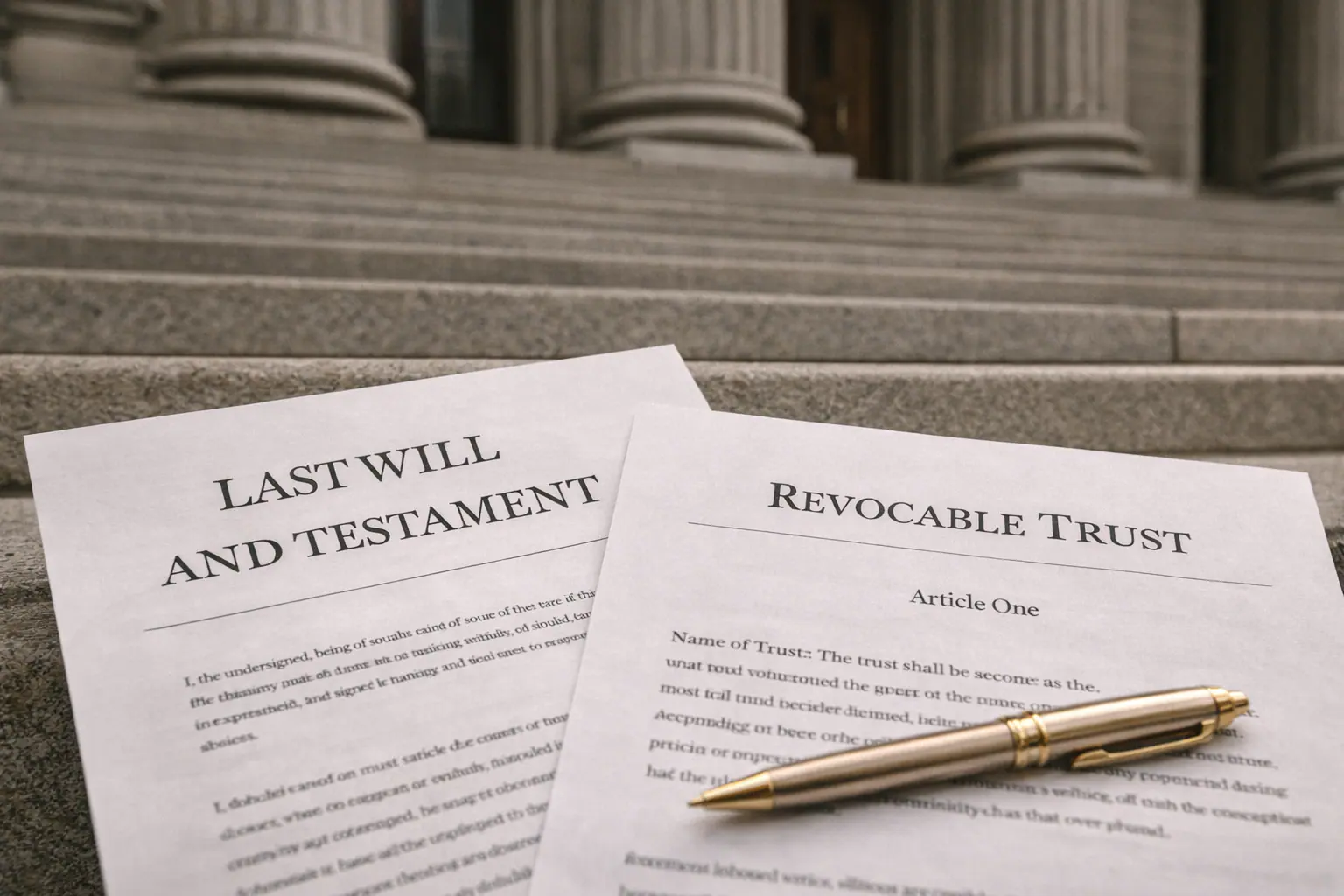
Dying without a will, known as dying intestate, triggers a court-controlled process that decides who receives assets and who has authority. Marguerite explains that probate court follows statutory rules, not personal wishes, no matter how clear those wishes may have seemed in conversation.
In Tony Hsieh’s case, the lack of a will meant his estate became public record. Court filings exposed asset values, property holdings, debts, and disputes, creating prolonged stress for his parents. Probate is slow, expensive, and emotionally draining, especially when the estate is large or complex.
The Caregiver: The person providing direct physical assistance with bathing, cooking, laundry, and daily chores.
Ron emphasizes that probate also strips families of privacy. Anyone can access filings, and media attention can amplify the pain. This is why trusts exist, to move assets privately and efficiently without court intervention.
Why Informal Records Don’t Work
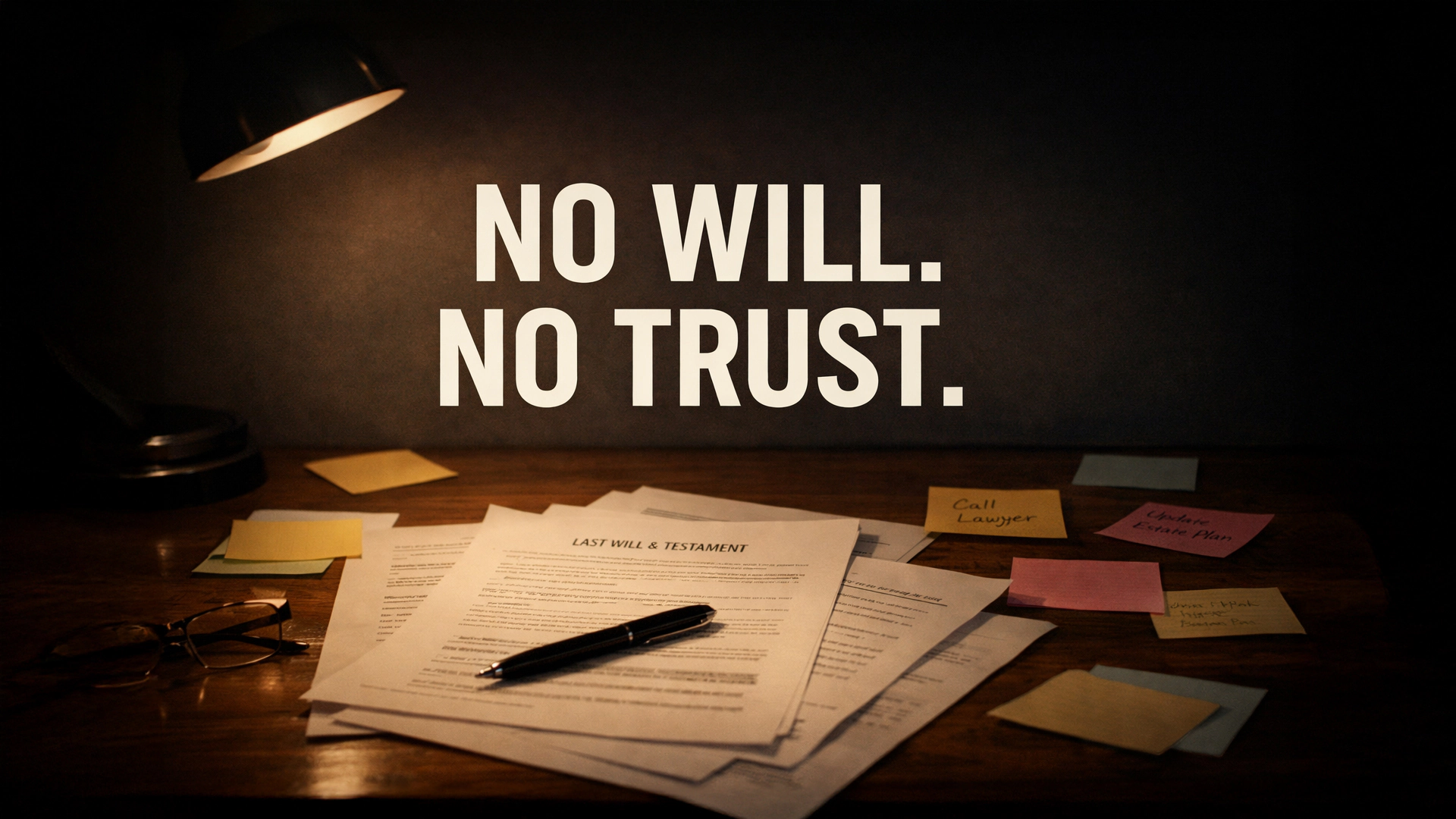
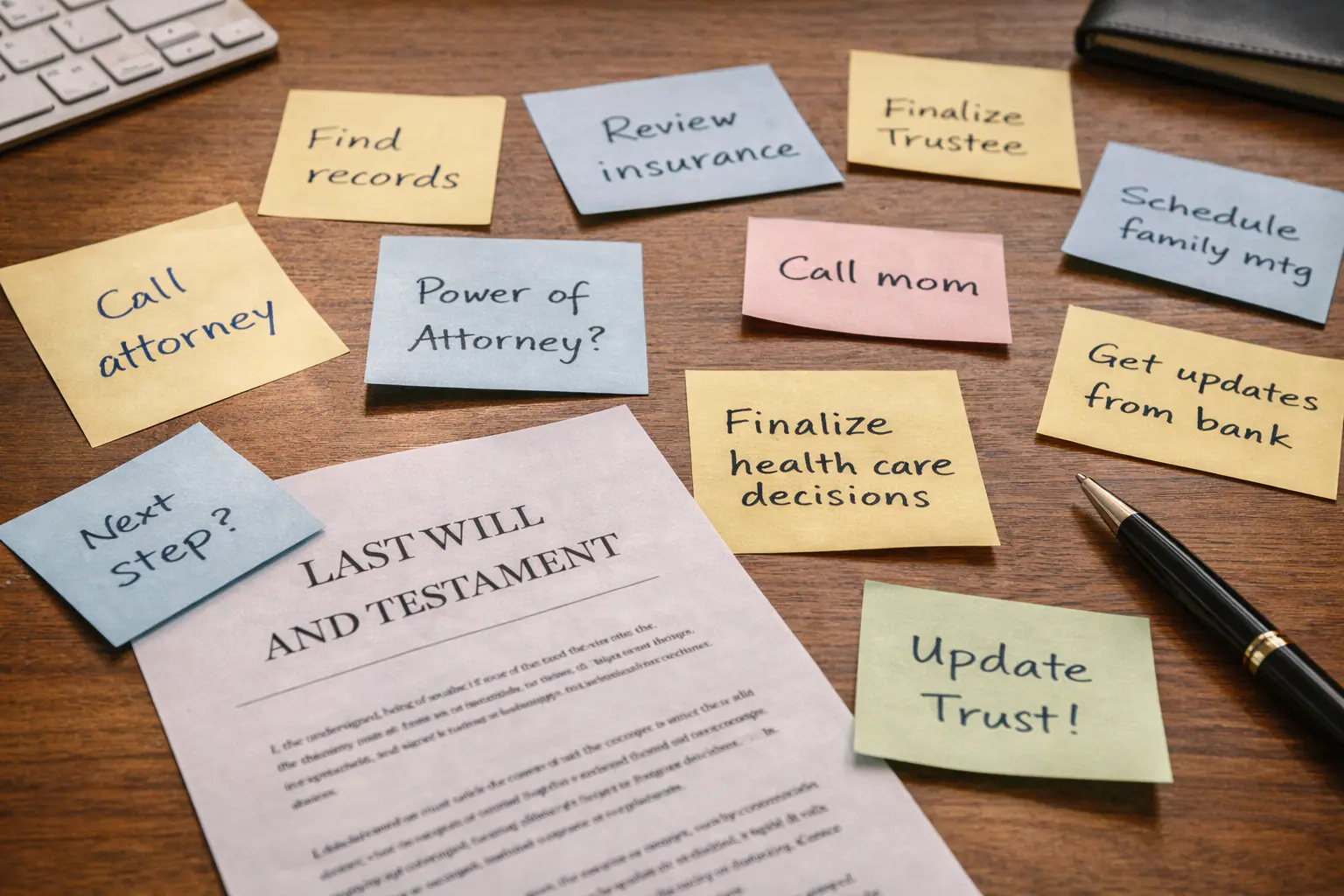
Tony reportedly left behind handwritten notes, sticky reminders, and verbal assurances to friends. While meaningful emotionally, these forms of communication rarely carry legal weight.
Marguerite explains that courts require clarity, structure, and enforceable documents. Informal records create ambiguity, opening the door to disputes and litigation. In probate, intention must be proven, not assumed.
This is especially problematic when assets include real estate, investments, or business interests. Without formal documentation, families are forced to interpret intent under legal scrutiny, often leading to conflict and prolonged court involvement.
Digital Passwords and Modern Estate Planning
One of the most overlooked aspects of estate planning is digital access. Tony’s case highlights how passwords, online accounts, and digital assets can become locked forever without proper planning.
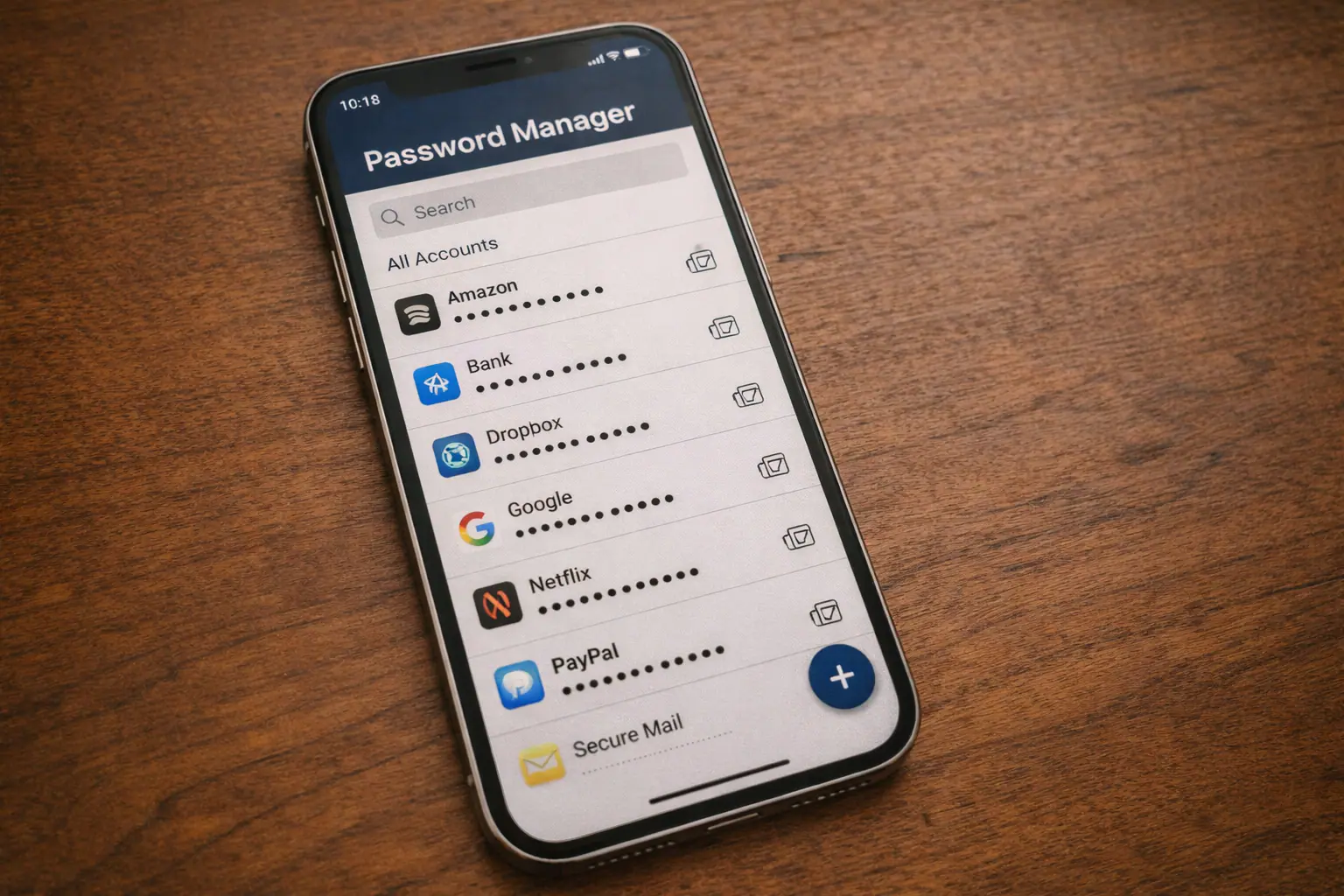
Ron and Marguerite discuss the importance of password managers, digital inventories, and clear access instructions. From banking apps to cryptocurrency wallets to intellectual property accounts, digital assets now represent real value.
Without access, families may lose money, data, or creative work permanently. Estate plans must evolve to include digital realities, not just physical assets.
Intellectual Property and Entrepreneur Estates
Tony Hsieh’s legacy included more than money. His ideas, brand associations, and intellectual contributions carried ongoing value. Marguerite explains that intellectual property must be addressed explicitly in estate plans.
Creators, founders, and entrepreneurs often forget that copyrights, trademarks, and licensing rights survive death. Without instructions, IP can be mismanaged, undervalued, or lost entirely.
This section underscores why estate planning is not just about “stuff,” but about preserving the work, ideas, and impact a person leaves behind.
Tony Hsieh’s estate reminds us that success, intelligence, and good intentions cannot replace formal planning. Without a will or trust, families are left navigating courts, public scrutiny, and unresolved questions during moments of grief.
Estate planning protects privacy, preserves relationships, and ensures your legacy reflects your values rather than statutory defaults. Whether you are an entrepreneur, creator, or simply someone who cares about the people you love, planning ahead is an act of responsibility.