Conservatorship Explained What the Jay & Mavis Leno Case Teaches About Estate Planning
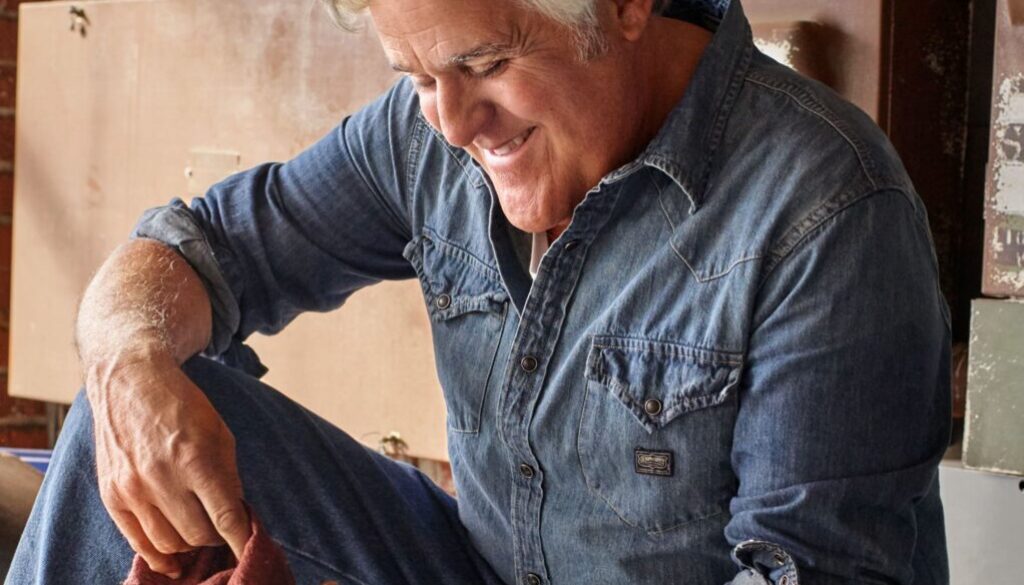
When news broke that Jay Leno petitioned the court to become conservator for his wife Mavis, it surprised many people—but it shouldn’t have. Behind the headlines is a powerful lesson for every family: without proper estate planning documents, even loving spouses must sometimes turn to the court for authority.
In this episode of Plan for This, Marguerite and Ron use the Leno case to explain what conservatorship really means, why it exists, and how it can be avoided through proactive planning. They explore capacity, fiduciary responsibility, and the difference between a trust, a will, and the crucial documents that keep you out of court.
This episode isn’t about celebrity gossip—it’s about protecting your privacy, your dignity, and your family’s peace of mind.

Conservatorship vs. Estate Planning
Conservatorship happens when someone can no longer make or communicate decisions, and the court must appoint a responsible person, called a conservator, to manage their affairs. In other states, this is often called guardianship.
As Marguerite explains, probate court handles two primary responsibilities: distributing the assets of people who have passed away and protecting vulnerable adults who can’t manage their own finances or personal needs. That’s what happened in the Jay and Mavis Leno case. Because Mavis was diagnosed with dementia and could no longer sign legal documents, Jay had to ask the court for permission to manage her estate.
The Lenos are fortunate to have financial resources and capable legal counsel, but most families don’t. Without clear estate planning documents like a Durable Power of Attorney and an Advance Healthcare Directive, loved ones are left with only one option—petitioning the court, which can take months, cost thousands, and make private matters public.

Understanding Capacity and the Power of Preparation
Capacity is a legal term that determines whether a person can make informed decisions. If dementia, illness, or injury impairs understanding, the law requires formal steps before anyone else can step in.
Marguerite emphasizes that the best way to avoid conservatorship is to plan while you’re still fully capable. Estate planning isn’t about predicting decline—it’s about ensuring that if something happens, your loved ones have the tools they need.
Two of the most powerful tools are:
-
Durable Power of Attorney – Allows someone you trust to manage financial matters if you can’t.
-
Advance Healthcare Directive – Names an agent to make medical decisions when you’re unable.
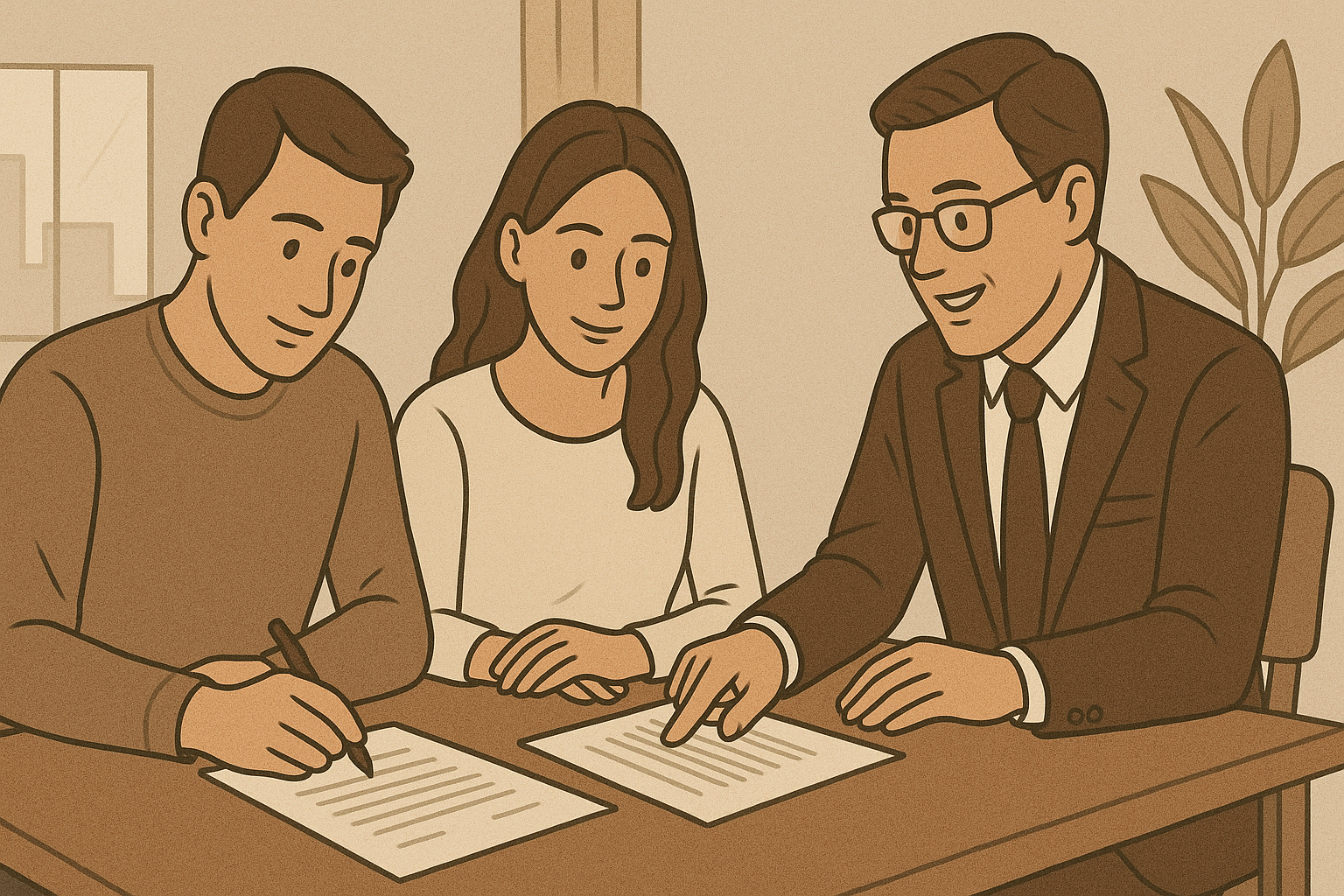
These documents, along with a properly funded trust, act as your legal safety net. They empower your chosen people to act on your behalf, without involving a judge or public record.
Funding the Trust: The Step Everyone Misses
A trust is only as good as the assets it controls. In Jay and Mavis’s case, even if they had a trust, some assets may not have been titled correctly—meaning they weren’t legally inside the trust.
This common oversight, called unfunded trust, happens when people create a trust but fail to transfer ownership of their home, vehicles, or bank accounts into it. Marguerite and Ron call this step funding, and it’s what ensures your estate plan actually works when it’s needed.
A properly funded trust keeps your affairs private, simplifies transitions, and allows your successor trustee to step in immediately. Without it, families often find themselves in probate or, worse, facing conservatorship when capacity is lost.
Funding isn’t a one-time task. It’s something to review after refinancing, opening new accounts, or changing assets.

The Cost of Waiting: Conservatorship as the “Court of Last Resort”
Conservatorship isn’t punishment—it’s protection. But it comes at a price. Once established, conservatorship means losing privacy, autonomy, and certain legal rights.
Jay Leno’s case was expedited in just a few months, but for ordinary families, the process can take six months or more. It requires attorney fees for both parties, court oversight, annual accounting, and constant reporting. Every decision—selling a property, moving the conservatee, adjusting care—must be approved by a judge.
Marguerite reminds listeners that most people want to avoid this entirely. The solution is straightforward: complete an estate plan with powers of attorney, a trust, and a healthcare directive before you lose capacity. Conservatorship should always be the last resort—not the first step.
Estate planning gives you control. Conservatorship takes it away.
The story of Jay and Mavis Leno shows that even the most successful, well-intentioned people can face the consequences of incomplete planning. Their love and care for one another are clear—but without updated legal documents, even a devoted spouse must turn to the court for permission.
Estate planning is not just for the wealthy or the elderly. It’s for anyone who values privacy, dignity, and family harmony. By completing your trust, funding it correctly, and signing powers of attorney and healthcare directives, you can spare your loved ones from unnecessary pain and public exposure.
👉 Become a PlanFan today and get access to our First Steps Toolkit, member-only support, and reminders to keep your plan current. Join our community and take control of your legacy with confidence.