
Estate Planning Is Life Planning: Facing Life’s Unknowns with Confidence | Plan for This Ep 1
Estate Planning Facing Life’s Unknowns with Confidence
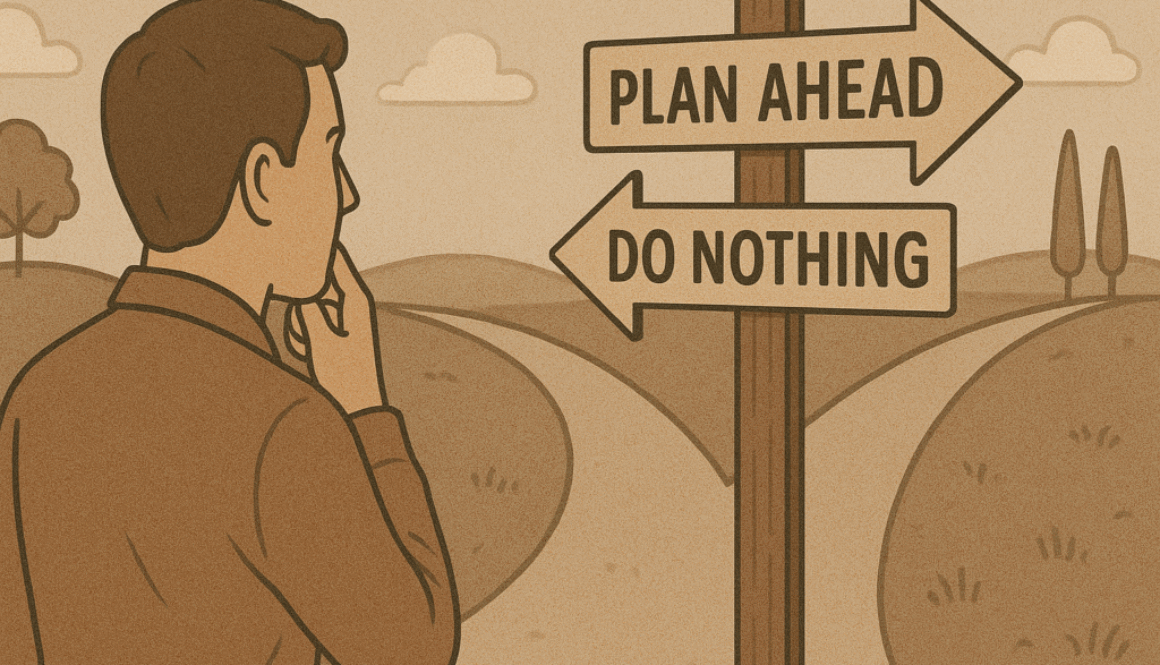
Life is full of surprises, and not all of them are welcome. Too often, we prepare for milestones like weddings, careers, or retirement, but avoid thinking about the realities of aging, vulnerability, and end-of-life decisions. In this episode of Plan for This, Marguerite and Ron dive deep into why estate planning is really life planning.
Drawing from decades of professional experience, they share powerful stories of clients who faced sudden health crises, as well as the hard truths of probate court when no plan is in place. Estate planning, they remind us, isn’t just for the wealthy or elderly—it’s for everyone who wants peace of mind, family harmony, and a legacy that reflects their true values.
Why So Many Avoid Estate Planning
Why don’t people plan ahead, even when they know they should? Marguerite explains that fear is one of the biggest reasons. Thinking about becoming vulnerable—whether at age 50, 70, or 90—can feel overwhelming. Many people worry that just acknowledging the possibility of decline will somehow bring it closer.
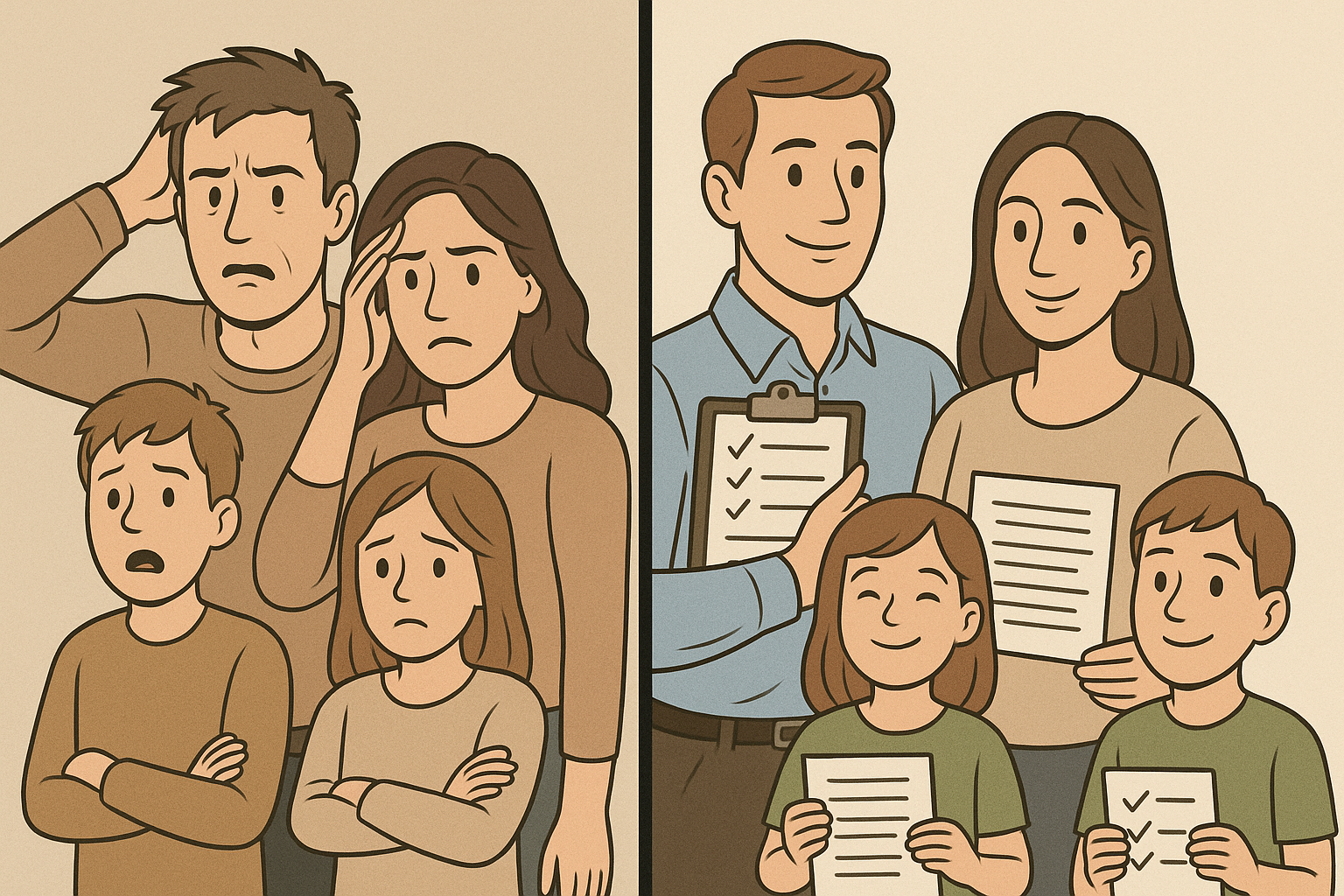
Yet, avoiding the conversation doesn’t stop reality. The truth is that every family eventually faces these moments. Without preparation, loved ones are left scrambling. Hospitals, courts, and strangers may end up making decisions that could have been made with care in advance.
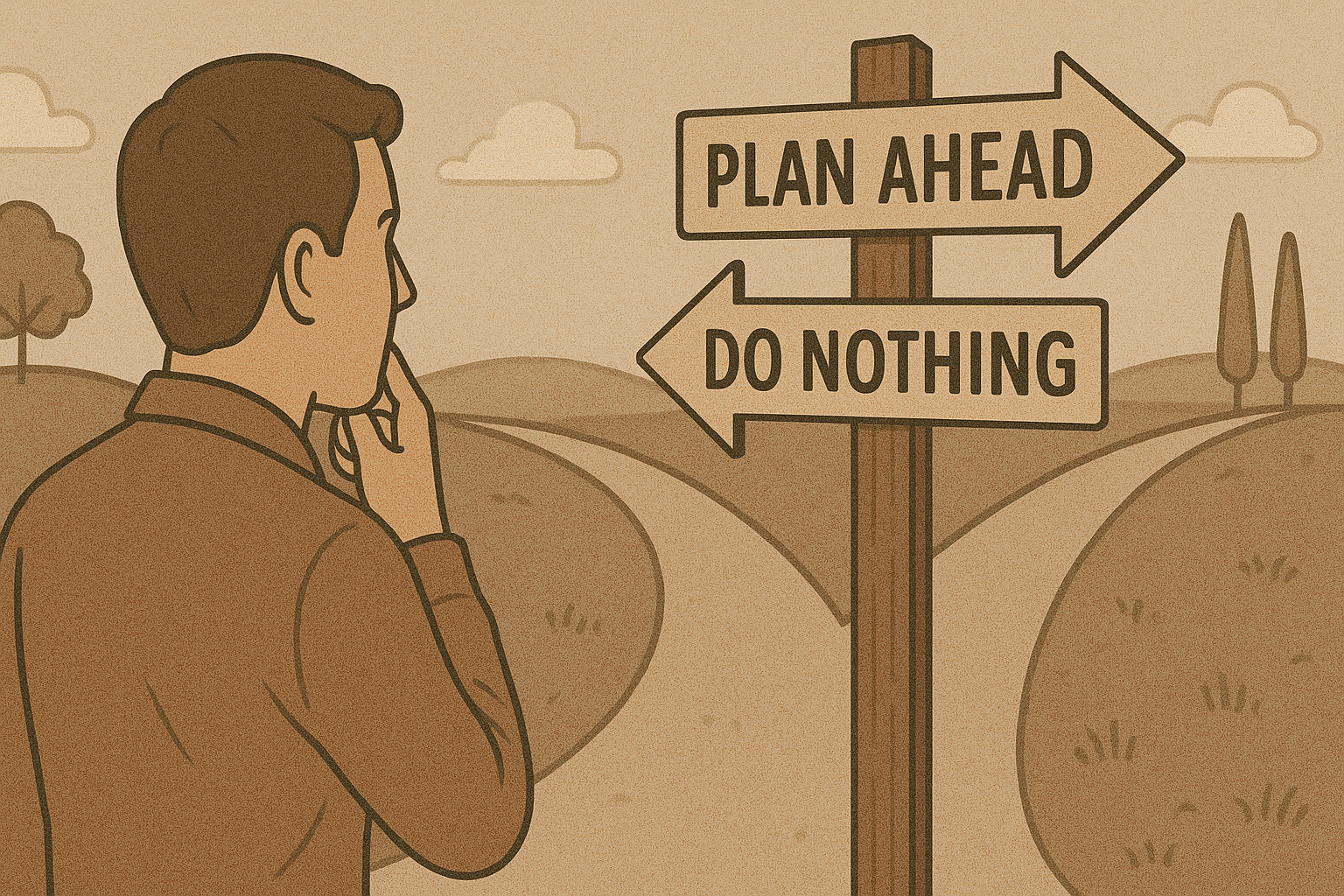
By reframing estate planning as an act of empowerment rather than fear, Marguerite and Ron encourage listeners to see it as an opportunity: a chance to define how you’ll be remembered, to make sure your wishes are respected, and to leave behind more clarity than conflict.
The Human Side of Planning Ahead
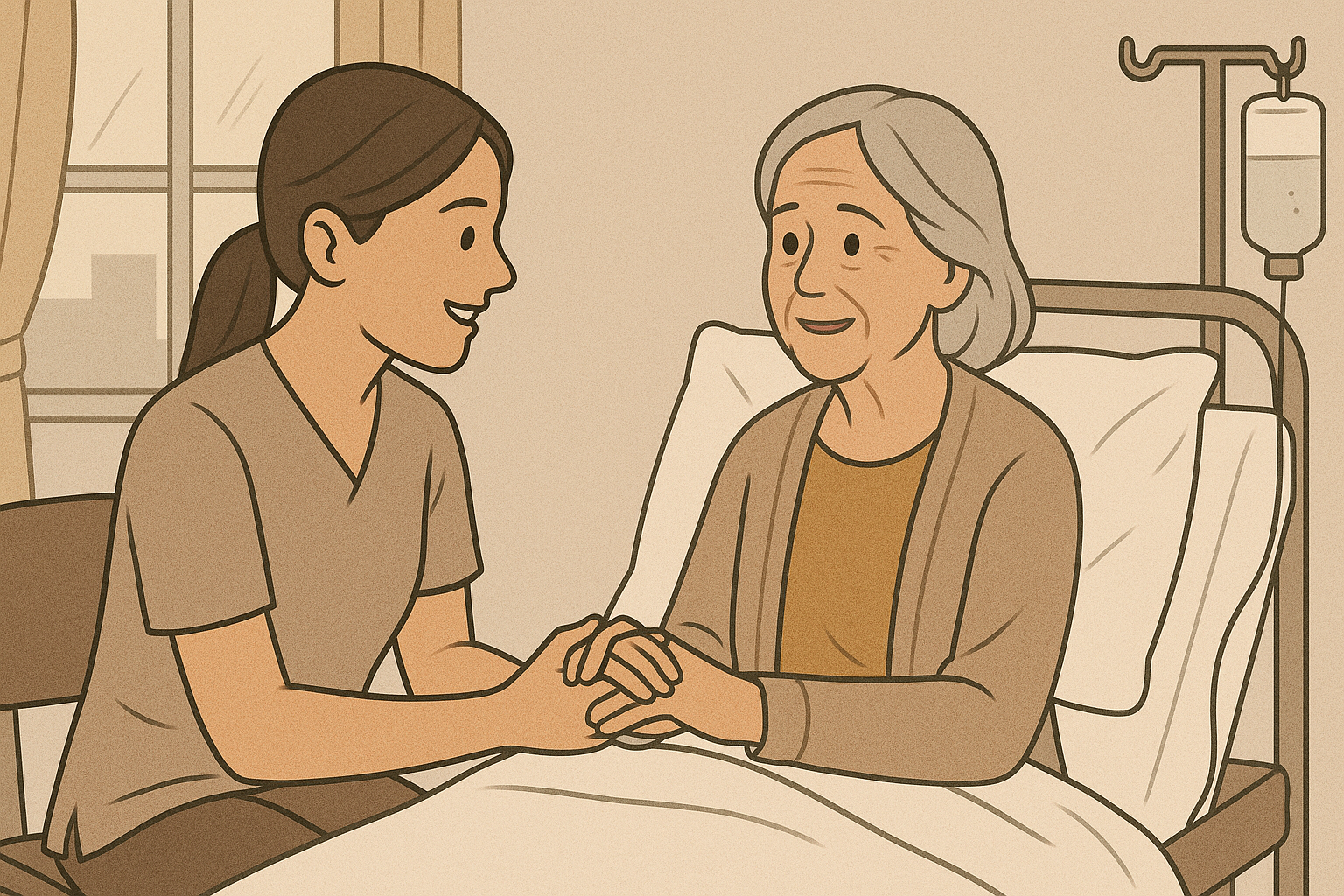
One of the most moving parts of this conversation is the reminder that estate planning isn’t just about money or legal forms—it’s about people. Marguerite tells the story of a client who lived independently her entire life until a neighbor found her unconscious in her kitchen. Because she had shared instructions and prepared an advanced healthcare directive, her neighbor and professionals were able to step in and ensure her care.
Without that preparation, the situation could have turned into a public conservatorship through probate court, stripping away privacy and autonomy. This highlights why having documents in place matters for everyone, regardless of wealth, marital status, or age.
Estate planning is about ensuring someone knows what to do when you can’t speak for yourself. It’s about protecting dignity, relieving caregiver stress, and ensuring family and friends can focus on support rather than scrambling in crisis.
Estate Planning Isn’t Just for the Wealthy or Elderly
Many assume estate planning is only relevant once you’ve accumulated wealth or reached old age. This is one of the most dangerous myths. As Marguerite and Ron emphasize, every adult—whether 20, 40, or 80—has something worth protecting: their health, their independence, and the people they love.
Wealth is relative. Elderly is subjective. The truth is, life can change in an instant—an accident, illness, or sudden incapacity can affect anyone. Without a plan, families are forced into costly, stressful, and often divisive legal processes.
By reframing estate planning as life planning, the conversation becomes less about wealth and more about values, safety, and clarity. The real gift of planning is not just transferring assets—it’s reducing burdens, preventing family conflict, and creating the space for loved ones to focus on care and connection.
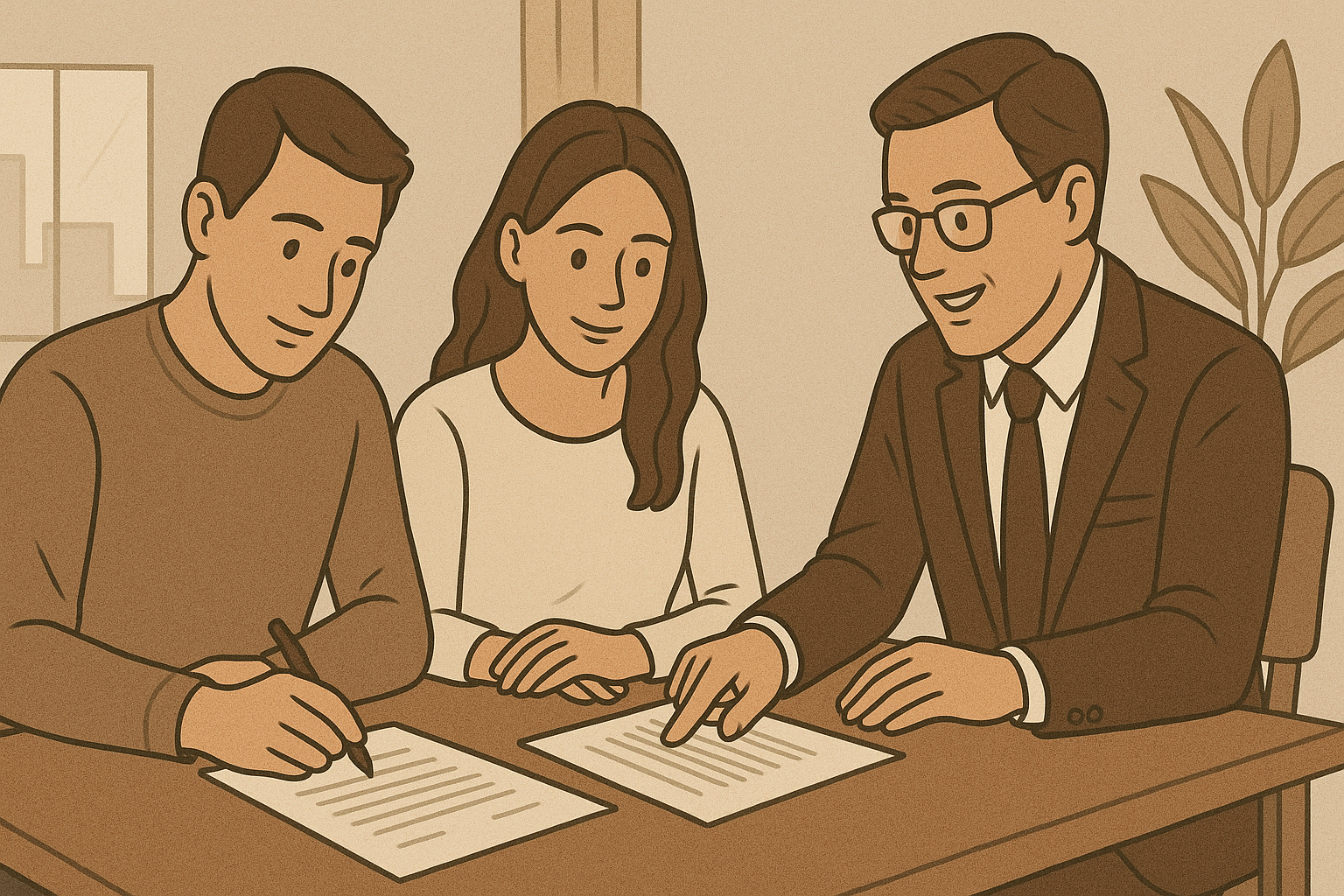
Building Family Harmony Through Planning
Family dynamics can be complicated, and estate planning often brings sibling rivalries, jealousy, and long-buried tensions to the surface. Marguerite and Ron stress that harmony isn’t achieved by avoiding these conversations—it comes from courage, clarity, and documented decisions.
They encourage children to lead by example: get your own estate plan in place and then share it with your parents. This approach shifts the dynamic from waiting on others to take action, to showing leadership in your own family. As Marguerite puts it, true leaders create estate plans because they are thoughtful enough to relieve others of uncertainty.
The result? Families can approach tough conversations with less defensiveness and more understanding. When everyone sees the process as an act of love rather than conflict, estate planning becomes a path to unity rather than division.
Estate planning is more than documents and legal jargon—it’s a roadmap for life. It’s your oxygen mask, ensuring you’re secure before you help others. It’s your leadership moment, showing family members that you care enough to prepare. And above all, it’s a love letter to the people you care about most.
Marguerite and Ron remind us that while we can’t predict the future, we can prepare for it. With the right steps, you can replace fear with confidence, confusion with clarity, and conflict with harmony.
👉 Become a PlanFan today and get access to our First Steps Toolkit, member-only support, and reminders to keep your plan current. Join our community and take control of your legacy with confidence.