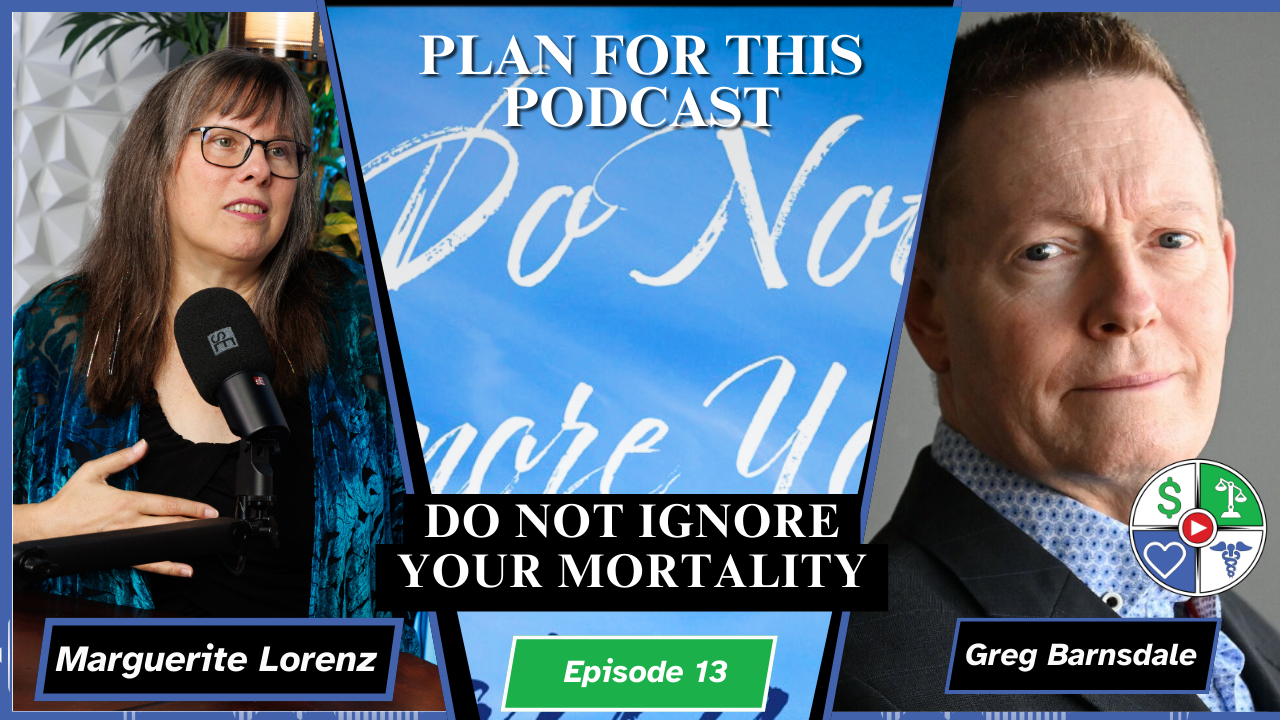
What Matters Most | Using Go Wish Cards to Clarify Your End-of-Life Wishes
What Matters Most Using Go Wish Cards to Clarify Your End-of-Life Wishes
Most people avoid talking about what they want at the end of life, not because they do not care, but because they do not know how to begin. The Go Wish card deck provides a simple, humane way to open this conversation. In this episode of Plan for This, Marguerite and Ron walk through these cards and explore the deep, personal priorities they reveal from relief from pain to being surrounded by loved ones, to maintaining dignity even in decline.
Rather than centering on fear or loss, the Go Wish tool encourages families to talk about values, preferences, and what truly matters. It turns a silent, stressful topic into a thoughtful, honest exchange. This episode shows how end-of-life planning can be an act of love, easing the burden on caregivers and bringing peace to the person facing the end of life.
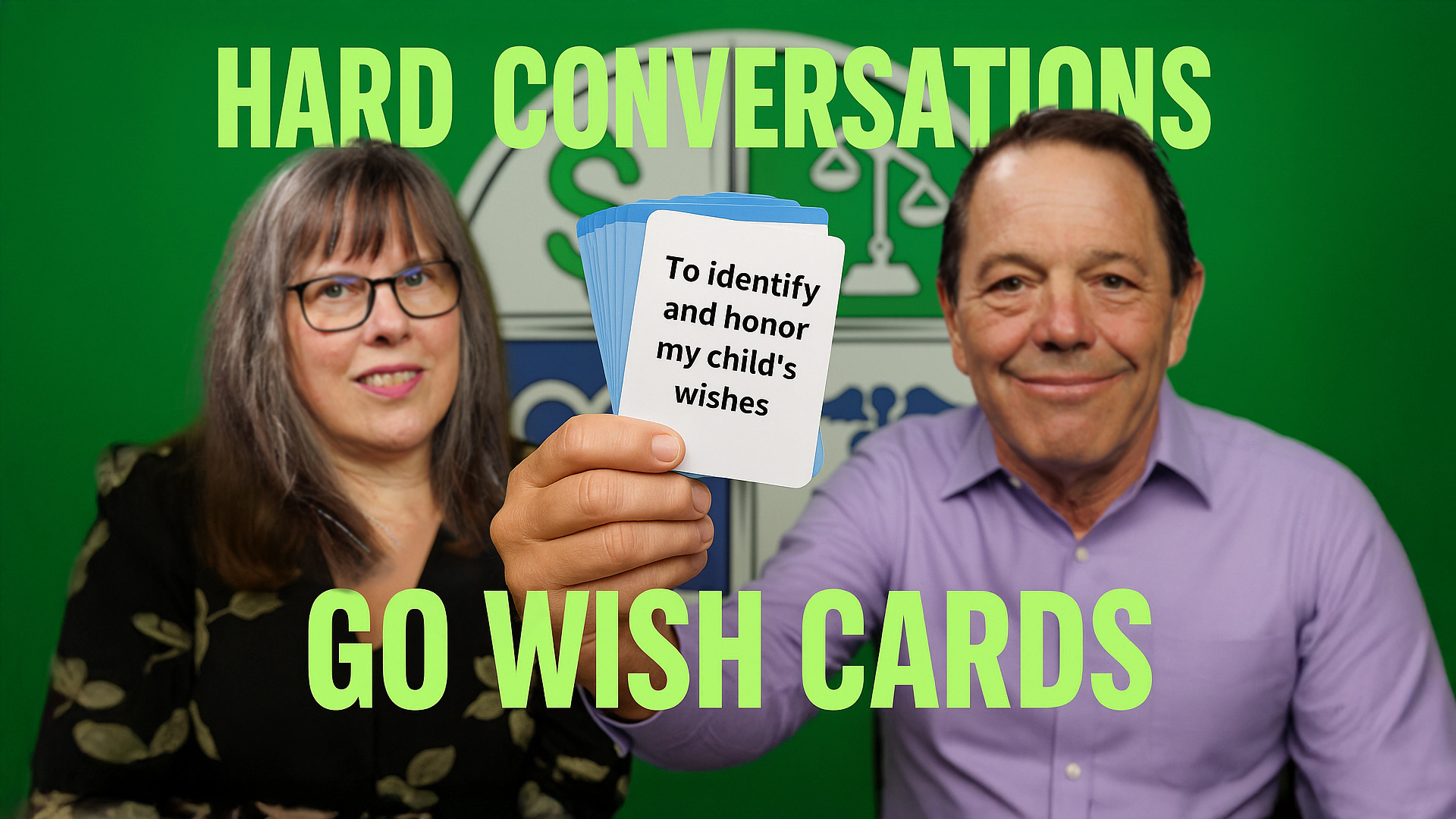
Why End-of-Life Wishes Matter More Than We Realize
End-of-life decisions can become chaotic when no one knows what the person truly wants. Families argue, siblings disagree, partners make assumptions, and healthcare providers are forced to guess. The emotional cost is enormous.
Marguerite explains that end-of-life wishes are not simply medical decisions they reflect identity, values, and the person’s sense of dignity. Whether someone prioritizes spiritual connection, being at home, minimizing pain, or reconciling with family, these preferences are deeply human and deserve to be expressed clearly.
Ron shares stories from real cases where clarity prevented trauma. In some families, loved ones found great comfort knowing exactly what the person wanted. In others, the absence of guidance created guilt and lasting conflict.
This section grounds the conversation in compassion: we plan not to prevent death, but to reduce suffering for both the person and the people who love them.

How the Go Wish Cards Work and Why They Help
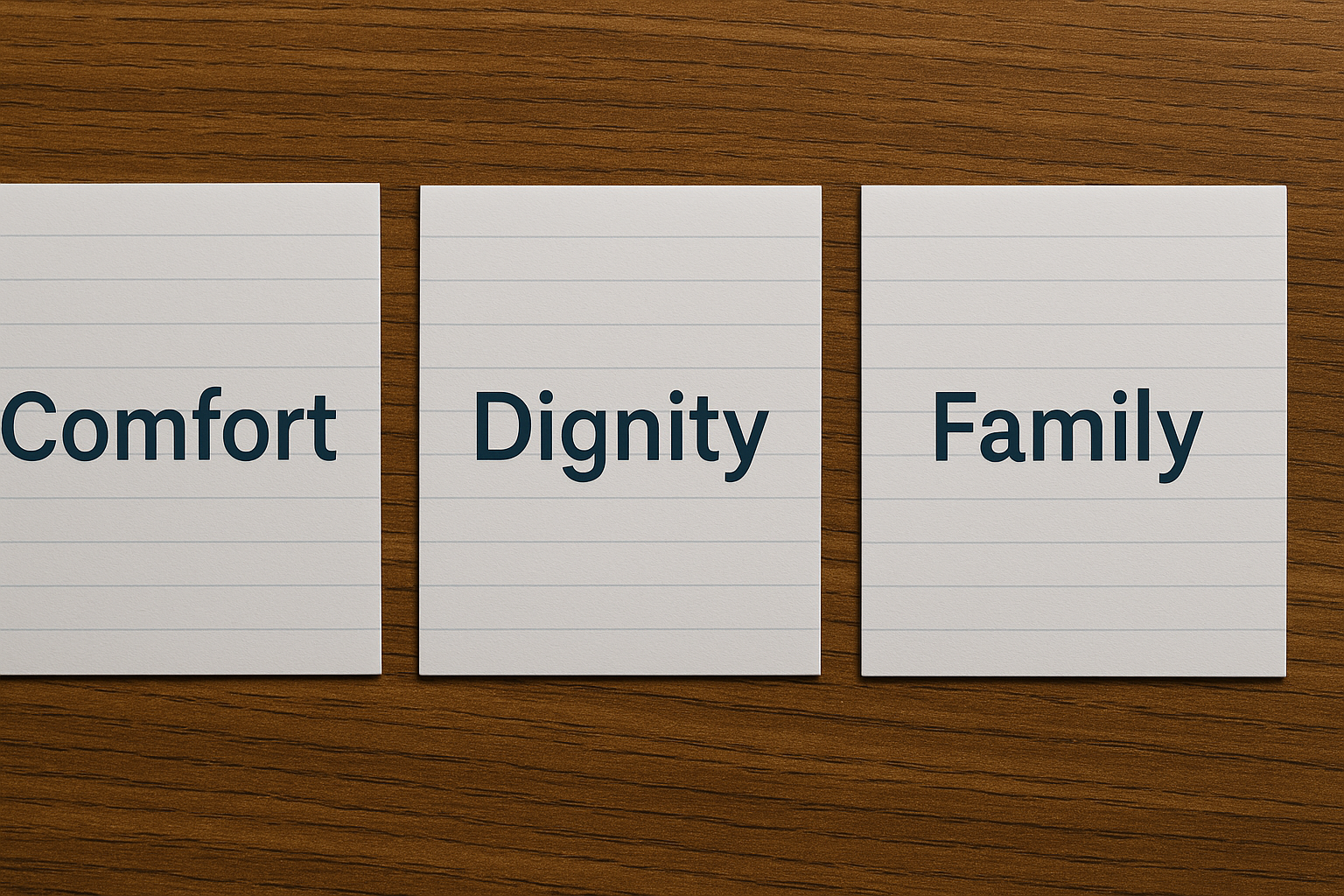
The Go Wish deck contains cards representing common end-of-life priorities such as:
-
Relief from pain
-
Maintaining dignity
-
Being with family
-
Having music or comfort
-
Resolving unfinished business
-
Feeling spiritually at peace
-
Having caregivers who understand your wishes
The brilliance of the tool is its simplicity. Instead of asking someone open-ended questions about dying, which can feel overwhelming or uncomfortable, the cards give concrete choices that prompt reflection.
Marguerite notes how couples, siblings, and even adult children and parents use the cards to discover wishes they never knew each other had. Ron points out that the deck often opens the door to emotional honesty — something many families struggle to access without prompting.
This approach keeps conversations grounded, safe, and manageable, creating a shared language for decisions that may one day be urgent.
Hard Conversations Made Easier: Examples from Real Life
Marguerite recalls clients who wished they had known what their parents wanted before a crisis occurred. Families often say, “I hope I did the right thing,” long after decisions are made. The burden of guessing can be heartbreaking.
Ron shares stories of people who prioritized humor at the end of life, or who wanted classical music playing, or who desperately wanted to avoid prolonged medical intervention. These simple insights transformed how families showed love and support.
The hosts emphasize that the cards help uncover desires that go beyond medical directives. They reveal emotional, relational, and spiritual needs. By exploring these proactively, families build trust rather than tension, and difficult moments become more peaceful and grounded in the person’s true wishes.

Why “Family Harmony” Requires Clarity, Not Guesswork
One of the most important insights from this episode is that end-of-life planning protects family relationships. When people have different interpretations of what “Mom would have wanted,” tension rises quickly.
Healthcare agents need clear guidance to make decisions with confidence. Adult children need reassurance that they are honoring their parent’s wishes. Spouses need direction so they are not left carrying the emotional burden alone.
Marguerite reiterates that clarity is the greatest gift we can give our families. Ron adds that these conversations create opportunities for healing especially in families with past estrangements or unresolved conflict.
End-of-life planning is one of the most profound and loving acts we can perform. It provides clarity, prevents conflict, and helps families navigate an emotionally charged period with confidence and compassion. The Go Wish cards offer a simple, accessible tool to articulate what truly matters when choices become difficult.
Whether you are supporting aging parents, preparing for your own future, or helping a spouse understand your wishes, now is the time to have these conversations. They build trust, reduce fear, and ensure that care aligns with your values.
In essence, the Go Wish deck becomes a tool for emotional reconciliation as much as practical planning.
👉 Become a PlanFan today and get access to our First Steps Toolkit, member-only support, and reminders to keep your plan current. Join our community and take control of your legacy with confidence.