
Meredith’s Story: How Estate Planning Protects Independence, Care, and Family Harmony | Plan for This Ep 5
When There’s No Plan: Probate Battles in Blended Families
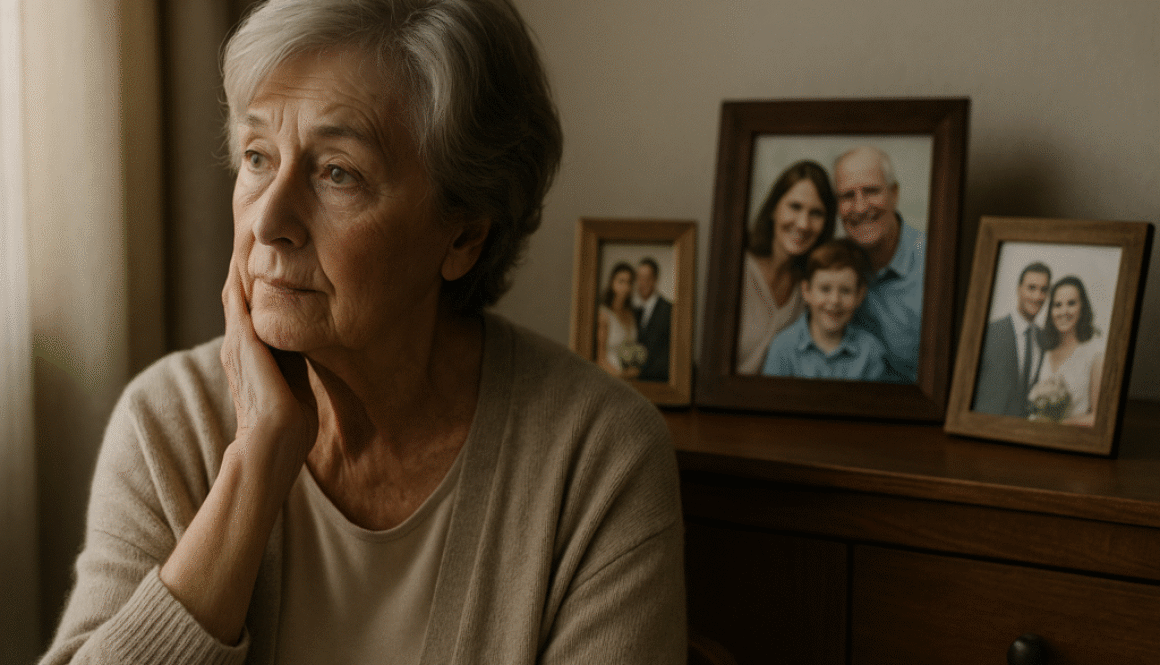
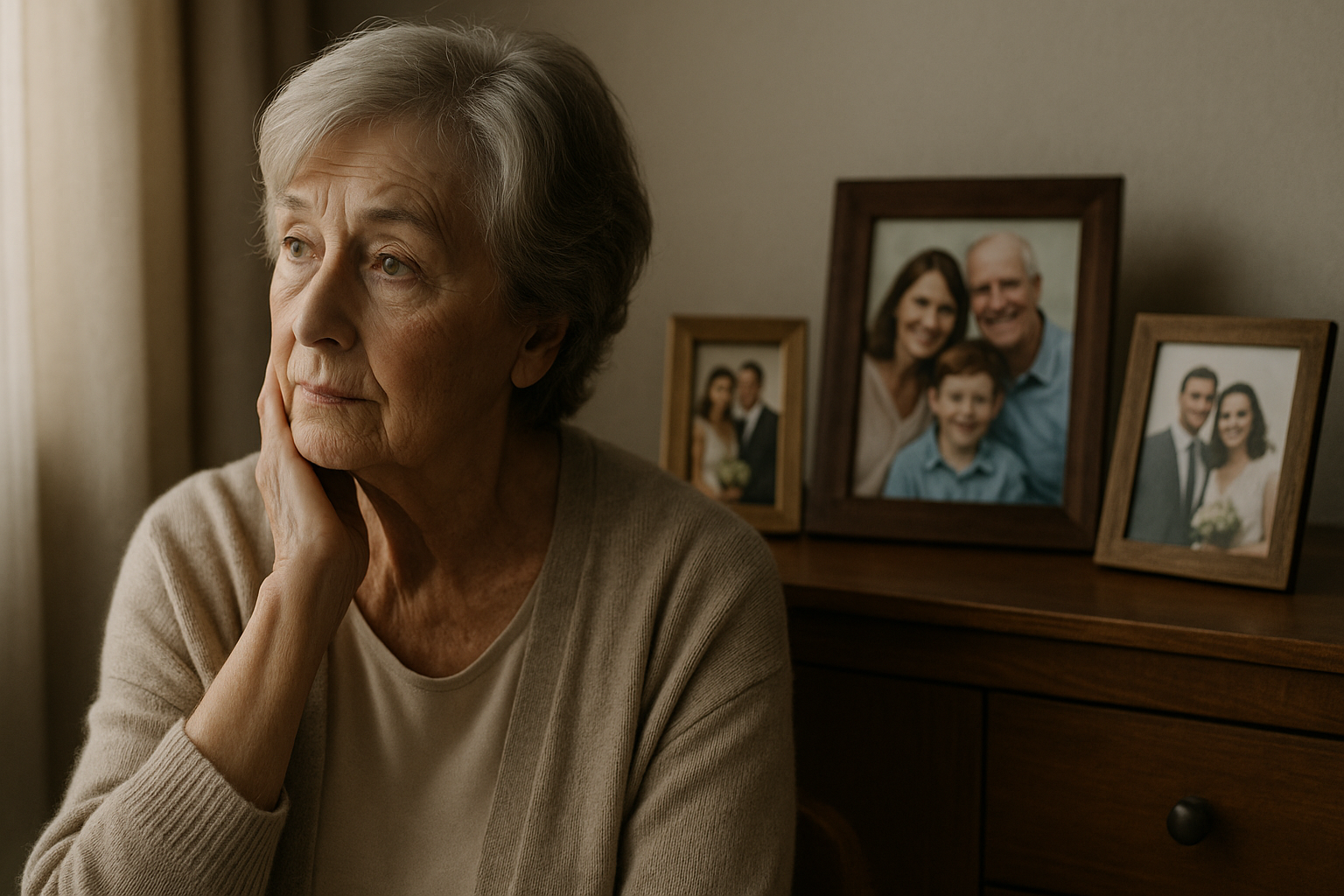
At 73, Meredith is a widow navigating grief, fading independence, and growing fears about becoming a burden to her daughter, Eliza. Her story is all too familiar: a home filled with memories, accounts still in her late husband’s name, and growing signs of cognitive decline. Yet like many, Meredith avoids the difficult conversation about what comes next.
In this episode of Plan for This, Marguerite and Ron use Meredith’s case study to explore the intersection of elder care, caregiving roles, and estate planning. They highlight why early conversations, professional support, and updated legal documents are critical for maintaining dignity and harmony as we age.
This blog unpacks the lessons from Meredith’s story and offers practical steps for families who want to plan with compassion, honesty, and clarity.
The Silent Struggle of Caregiving Roles
Meredith wants to enjoy her time with her daughter, not burden her with caregiving tasks. But as health issues arise, children often become default caregivers without clear boundaries. This shift can create resentment and guilt on both sides, especially when parents fear losing control and children feel unprepared to step in.
Marguerite and Ron stress the importance of recognizing roles early. Hiring professional help—whether housekeepers, caregivers, or fiduciaries—protects both independence and relationships. A daughter should be able to remain a daughter, not be forced into roles that strain love and connection.
For Eliza, the key is communication. By asking her mother what she truly wants, and by respecting those wishes, Eliza can support Meredith without overstepping. Families who navigate this conversation proactively create healthier dynamics that preserve dignity for elders and peace of mind for children.


Independence, Interdependence, and Aging with Dignity
One of the most powerful lessons in Meredith’s story is the distinction between independence and interdependence. Independence means making choices for yourself. Interdependence means acknowledging that none of us can live fully alone—we all rely on others in some way.
Marguerite reframes estate planning as the ultimate act of independence. By making her wishes clear, Meredith can define her life on her own terms, whether that means staying in her home, moving to a community, or assigning caregiving roles to professionals instead of family.
Interdependence then becomes intentional rather than forced. Instead of Eliza imposing care, Meredith becomes the “CEO of her life,” choosing who does what, when, and how. This perspective empowers elders while reducing family conflict.
Estate planning ensures that when the time comes, decisions reflect Meredith’s voice—not assumptions, fear, or family disputes.
Property Titling and Why It Matters
Meredith kept her husband Dave’s name on utility bills and other accounts, finding comfort in small reminders of him. But when it comes to property ownership, sentimental choices can create legal chaos.
Marguerite and Ron emphasize the importance of reviewing deeds, accounts, and property titles after a spouse dies. Without updating ownership, surviving spouses risk complications when transferring property or leaving assets to children.
For example, if Meredith’s house remained solely in Dave’s name, it could complicate probate and inheritance. Clear titling ensures that when property passes, there’s no confusion, delay, or dispute. Estate planning attorneys routinely review these documents, making it easier to correct errors and create a smooth succession.
Families who ignore property titling often leave behind headaches for heirs that could have been prevented with a simple attorney review. It’s a small step that provides clarity, confidence, and security for the future.

Socialization vs. Isolation: Planning Beyond Documents
Estate planning is not only about money and property—it’s about quality of life. Loneliness and isolation often accelerate decline, while socialization supports health and happiness.
In Meredith’s case, grief and isolation magnified her fear and hesitation. Marguerite and Ron highlight that estate planning should include conversations about living arrangements, social opportunities, and support networks. Whether through senior communities, clubs, or family check-ins, intentional planning helps aging adults stay engaged and less vulnerable.
For adult children, introducing professional caregivers or encouraging community involvement can be a form of love—not intrusion. And for elders, planning ahead for companionship and connection ensures that independence does not become loneliness.
Estate planning, therefore, becomes a holistic tool—not only for financial security but also for emotional and social well-being.
Meredith’s story reflects the reality of countless families: the tension between independence, caregiving, and aging with dignity. Without planning, the result is uncertainty, stress, and potential conflict.
But estate planning is not about losing control—it’s about keeping it. By defining her wishes, updating property titles, and involving professionals, Meredith can preserve her independence and relieve her daughter from the fear of having to “step in.”
For families everywhere, the lesson is clear: start the conversation early, revisit documents regularly, and remember that planning is an act of love.
👉 Become a PlanFan today and get access to our First Steps Toolkit, member-only support, and reminders to keep your plan current. Join our community and take control of your legacy with confidence.