

Myra & Peter: A Cautionary Tale About Family, Trust, and Independence | Plan for This Ep 9
Myra & Peter A Cautionary Tale About Family, Trust, and Independence
It started with kindness, and ended with a crisis. Myra, an 81-year-old widow, welcomed her nephew Peter into her home after he lost his job. She thought she was helping family. But months later, Myra found herself feeling trapped in her own house, emotionally drained, and uncertain how to ask him to leave.
In this episode of Plan for This, Marguerite and Ron explore the real-world dangers of blurred boundaries, dependency, and financial vulnerability among aging adults. Through empathy and practical advice, they reveal how early estate planning, professional fiduciaries, and clear communication can protect independence while maintaining family harmony.
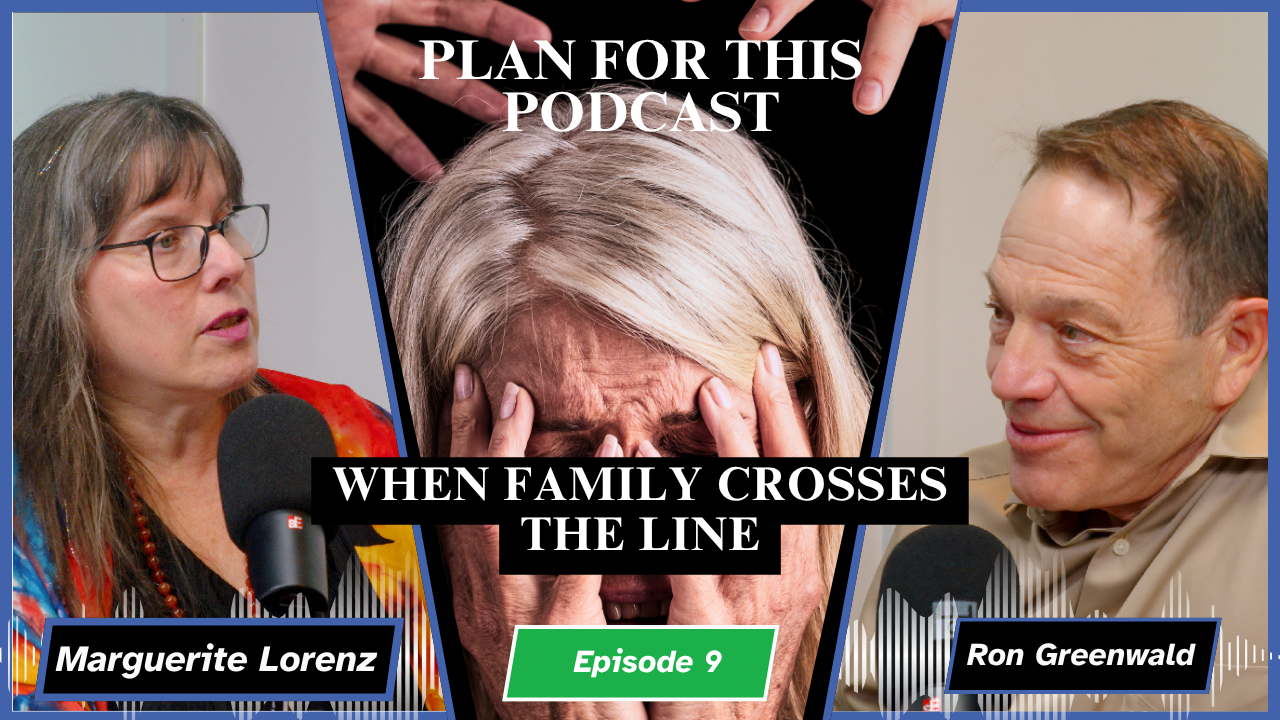
When Help Becomes Harm
Family relationships can be complicated, especially when one side begins to rely too heavily on the other. Myra’s nephew, Peter, didn’t start out with bad intentions. But as his dependence grew, so did Myra’s stress, anxiety, and loss of control.
Marguerite explains that this pattern is one of the most common forms of unintentional elder abuse. It often begins with trust and love, then slowly evolves into manipulation or financial strain. Whether it’s a relative “borrowing” money, staying too long, or taking over decisions, boundaries erode quietly until it’s too late.
Estate planning helps prevent this long before it happens. Through powers of attorney, professional fiduciaries, and trusted advocates, elders can ensure that support systems are fair and accountable, while keeping relationships intact.
Ron reminds listeners that Myra’s story isn’t about blame, it’s about awareness. Protecting yourself is an act of love, not fear.


Recognizing the Red Flags of Elder Abuse
Elder abuse isn’t always physical, it’s often emotional or financial. Marguerite identifies subtle warning signs families should watch for:
-
A sudden shift in control over money or property
-
Social isolation or family members being “screened” from contact
-
Missing mail, unpaid bills, or unexplained account activity
-
Increased guilt, confusion, or fear in conversation
In Myra’s case, Peter began handling small errands and bills “to help out.” But over time, she realized her autonomy was slipping away. Without a legal structure or outside advisor, her situation could have escalated into serious exploitation.
The solution? Documentation and delegation. Assign roles formally through powers of attorney or fiduciary agreements, not verbal arrangements. That simple step can turn potential abuse into accountability.
Marguerite encourages everyone to have annual check-ins with professionals, just like a financial or medical review.
The Power of Planning and Professional Support
Ron and Marguerite stress that the best protection against financial or emotional exploitation is a plan backed by professionals. A fiduciary or care manager acts as a neutral third party, helping elders manage finances, oversee caregivers, and maintain independence without straining family relationships.
Marguerite shares examples of clients who regained confidence after assigning professional support: one woman hired a fiduciary to manage her trust and handle family inquiries, while another used a care manager to set home safety guidelines. Both experienced more peace of mind and better relationships with loved ones.
Ron calls this “the freedom that comes from structure.” Estate planning doesn’t mean giving up control, it means defining it.
By establishing clear roles, updating legal documents, and inviting professional oversight, families can stay connected without crossing boundaries.

Balancing Love, Trust, and Independence
Marguerite closes the episode with a powerful truth: you can love your family deeply and still protect yourself. Healthy relationships have boundaries, and planning ensures those boundaries remain strong.
In Myra’s story, boundaries were blurred by guilt and obligation, two emotions that often keep seniors from asking for help. But once she sought professional guidance, Myra learned that saying “no” doesn’t mean rejecting family; it means preserving dignity.
Ron adds that estate planning conversations should be approached like life planning, openly, early, and with compassion. Families who discuss caregiving, finances, and inheritance before a crisis are far more likely to stay united afterward.
The episode reminds listeners that the most loving thing you can do for your family is to make sure they never have to guess your wishes, or fight to carry them out.
The story of Myra and Peter is one that plays out quietly in homes across the country. It’s not about greed, it’s about silence, avoidance, and the fear of confrontation. But estate planning can transform that fear into freedom.
Marguerite and Ron encourage everyone to review their living arrangements, update legal documents, and talk openly with family about boundaries. Planning isn’t about pushing people away, it’s about ensuring love and respect can thrive without dependency or confusion.
👉 Become a PlanFan today and get access to our First Steps Toolkit, member-only support, and reminders to keep your plan current. Join our community and take control of your legacy with confidence.