

Roland’s Story & The Family Conflict Question | Plan for This Ep 10
Roland’s Story The Family Conflict Question
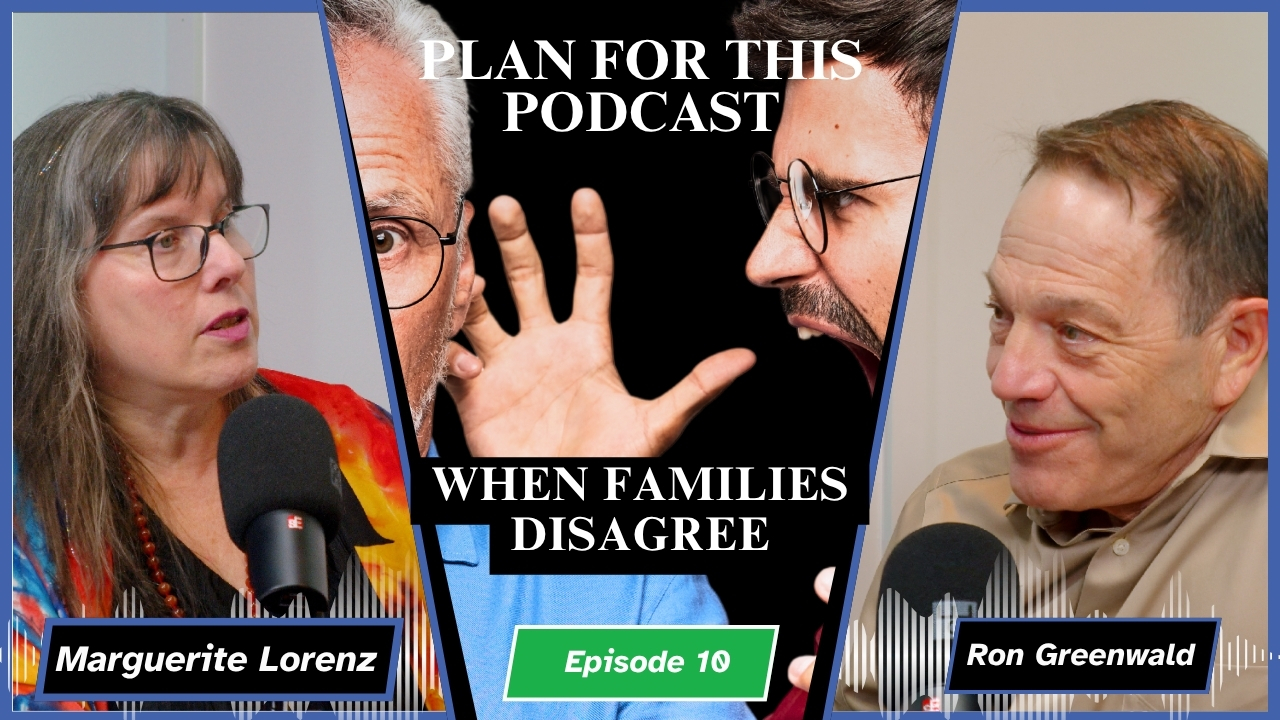
Family and finances rarely mix easily, and when emotions meet estate planning, the results can be explosive. In this episode of Plan for This, Marguerite and Ron share two powerful stories that illustrate why early communication and professional support are essential.
First, they discuss Roland, a senior moving into assisted living while facing pushback from family members over selling his home. Then they address a listener’s heartfelt question about siblings clashing over their mother’s possessions after her passing.
Both stories highlight one truth: planning brings peace. With empathy and expertise, Marguerite shows how fiduciaries, tax awareness, and documentation keep love intact while preventing confusion, resentment, and costly mistakes.
When Family Emotions Meet Financial Reality
Roland, an elderly widower, had to move into assisted living after his health declined. His daughter-in-law, however, insisted on keeping his house “in the family.” The problem? Roland needed to sell it to fund his care.
Marguerite explains how fiduciaries, whether family or professional, must prioritize the elder’s needs above everyone else’s emotions. Fiduciary duty means acting in the client’s best interest, even when family members disagree.
The home sale also raised questions about capital gains tax and timing. Marguerite clarifies that while taxes can feel intimidating, they’re manageable with professional guidance and transparency. The greater risk isn’t financial, it’s relational.
Ron shares that many families struggle when “love meets logistics.” Avoiding conflict requires setting expectations early and understanding that selling a home or adjusting assets doesn’t mean letting go of memories, it means safeguarding security and dignity.


Fiduciary Duty: Clarity Over Emotion
When a fiduciary (often a family member) makes financial decisions, emotion is the hardest obstacle. Marguerite emphasizes that fiduciary duty is a legal obligation, not a favor. The fiduciary must act objectively and transparently, reporting decisions, keeping records, and avoiding personal bias.
In Roland’s case, confusion about who controlled the sale of the house created tension. A fiduciary could have helped by clarifying authority, explaining timelines, and providing written updates to family members.
Marguerite advises families to appoint neutral fiduciaries when emotions run high. Professionals can mediate between family interests and ensure compliance with state and federal rules. It’s not about taking control, it’s about maintaining fairness and preventing burnout for family members who mean well but may feel pressured.
Listener Story: Siblings Fighting Over Mom’s Things
A listener wrote in describing a common and painful issue: siblings arguing over their mother’s belongings after her passing. From furniture to family photos, every item became a trigger for old wounds and new resentment.
Marguerite and Ron remind listeners that personal property often causes more emotional damage than money. The solution starts long before death, with documentation. Listing out sentimental items in writing, adding names, or attaching photographs can eliminate confusion later.
If conflict arises after the fact, mediation or a professional fiduciary can help. Fiduciaries act as neutral third parties, ensuring every item is handled according to the trust or will, not personal bias.
Ron reflects that these disputes rarely stem from greed, they stem from grief. Planning ahead doesn’t just protect finances, it preserves family relationships.

The Emotional Side of Planning
Beyond the legal and financial aspects, estate planning is about emotion; fear, guilt, love, and responsibility. Families often wait until crisis strikes, when communication is strained and decisions feel impossible.
Marguerite and Ron urge listeners to talk before the pressure hits. Host family meetings. Explain why choices are being made. Document your wishes clearly.
By planning early, elders like Roland can make decisions confidently without burdening loved ones, and families can avoid tearing each other apart when a parent passes.
Estate planning is more than a legal task, it’s emotional protection for everyone involved.
Whether it’s Roland’s home or a mother’s silverware, family conflict around estate planning is universal. But the solution is, too: clear communication, professional guidance, and love grounded in structure.
Marguerite and Ron’s stories remind us that planning isn’t about control, it’s about compassion. The right plan gives your loved ones the roadmap they’ll need when emotions are high and decisions are hard.
👉 Become a PlanFan today and get access to our First Steps Toolkit, member-only support, and reminders to keep your plan current. Join our community and take control of your legacy with confidence.